
WAG Newsletter | July 2026
Summer Safety for Pets
Summer in the Pacific Northwest means longer days, more time outside, and unfortunately, more risk for our pets. With temperatures climbing and extreme heat becoming a regular part of our summers, it's more important than ever to know how to keep your pet safe when the mercury rises. Summer safety goes beyond just heat, so here's how to keep your pets safe all season long.
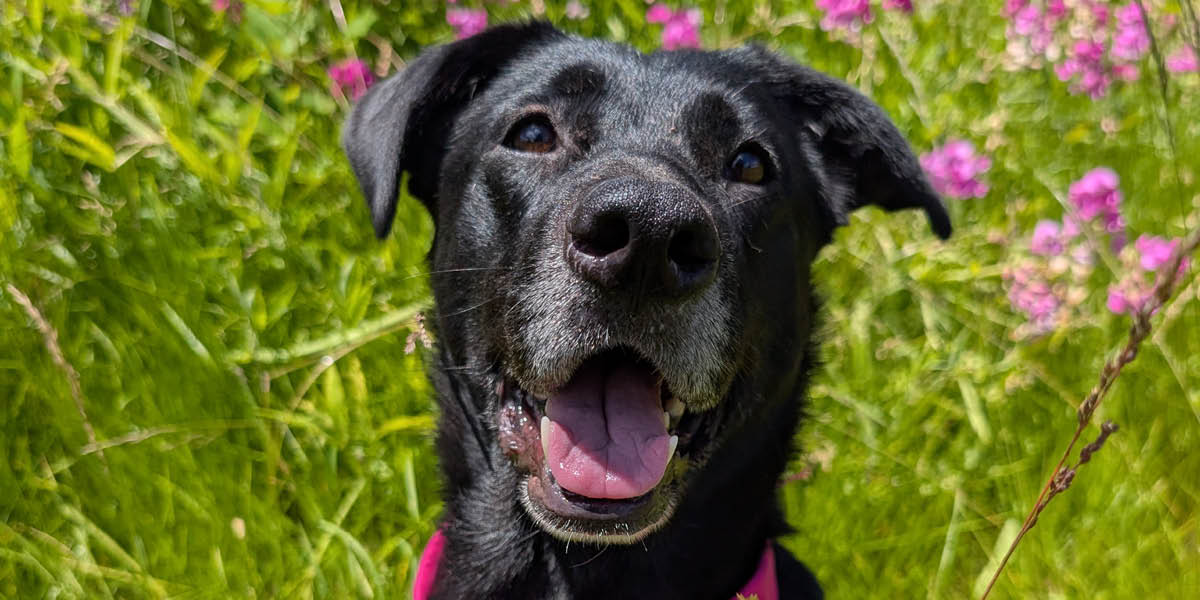
Pets in Hot Cars
On an 85 degree day, a parked car can heat up to over 120 degrees in under 30 minutes. Cracked windows and parking in the shade don't provide meaningful relief, and pets in carriers can still overheat even in an air conditioned car. On a hot day, it's always safest to leave your pet at home.
If you see a pet in a hot car, act quickly. Write down the vehicle's make, model, and license plate number. Ask nearby businesses to help find the owner. If that doesn't work, call 311 or your local Animal Control agency. If the animal is in immediate distress (excessive panting, a dark or purple tongue, lethargic or unresponsive behavior, anxious or escape behavior, loss of bowels), call 911.
Thinking about breaking a window? Know the law first. In Washington State, law enforcement and animal control officers are protected from civil liability, but civilians are not. Breaking into a car to rescue a pet could mean legal or financial penalties, and a panicked dog may not respond well to the intrusion, which could put you at risk too.
Hot Pavement
Pavement, sidewalks, and even sand can heat up fast and stay dangerously hot. A simple rule of thumb: if it's too hot for your bare hand, it's too hot for your dog's paws.
Walk your dog early in the morning or late in the evening when it's cooler, and stick to grass or dirt paths when you can. Always bring water and take breaks along the way. Watch for signs of burned pads, including limping, licking or chewing at the feet, discoloration, blisters, redness, or missing skin. If you notice any of these signs, gently flush the area with cool, clean water and contact your veterinarian right away.
Foxtail Safety
Foxtails are barbed seed heads from wild grasses that dry out and go to seed in late spring and summer, and they're common throughout the Pacific Northwest. Their shape means they only move in one direction, so they can burrow into skin and tissue and cause serious damage if left untreated.
After walks or time in tall grass, check your pet carefully, especially between the toes, inside the ears, around the eyes and nose, and in the armpits. Long haired dogs are especially vulnerable. Watch for excessive licking or chewing at one spot, head shaking, swollen or oozing skin, sneezing, squinting, or limping, and contact your vet if you notice any of these. Foxtails can move quickly through tissue, so don't wait to see if it resolves on its own.
To help prevent problems, stick to maintained paths, avoid tall or dry grasses, and keep fur trimmed around the paws and ears. A quick check after every outdoor outing goes a long way.
Check out this MedVet article to learn more about foxtail, what it looks like, and what to watch out for.
Heatstroke in Pets
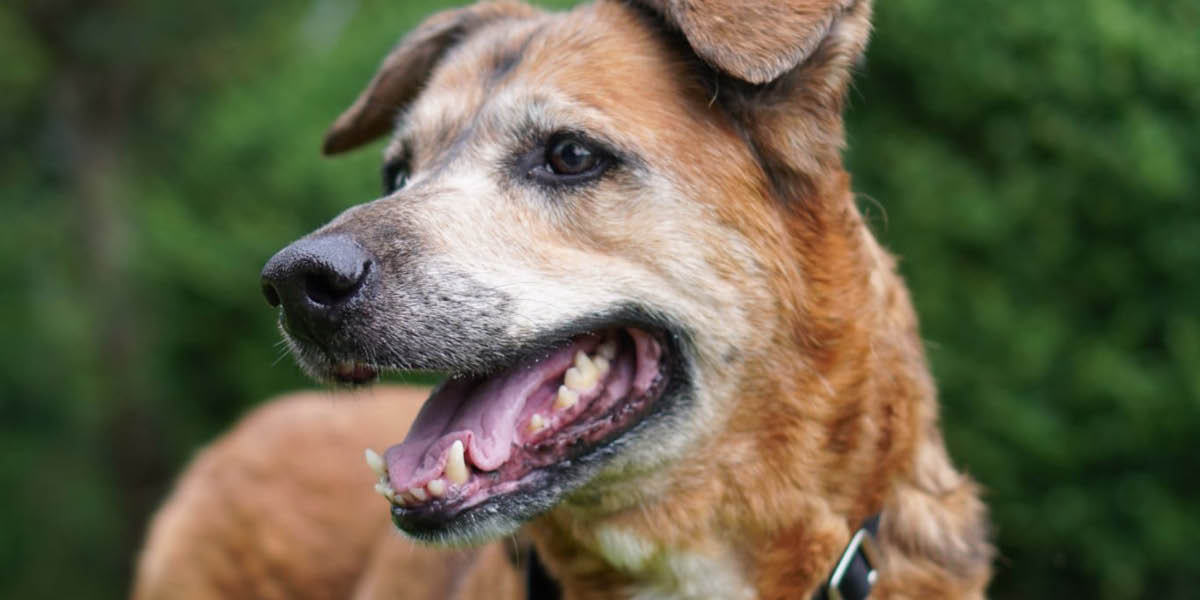
Heatstroke can escalate quickly, and knowing the warning signs and how to respond can make all the difference for your pet. It doesn't take extreme heat for a pet to be affected, even a warm, humid day can put them at risk if they're not able to cool down properly. Here are some of the most common signs to watch for:
Heavy panting
Glazed eyes
Rapid heartbeat
Difficulty breathing
Lethargy
Other signs can include excessive thirst, fever, dizziness, lack of coordination, drooling, vomiting, a deep red or purple tongue, seizure, collapse, or unconsciousness.
If you suspect heatstroke, move your pet to a shaded or air conditioned space right away. Apply cool, not ice cold, wet towels to the head, neck, and chest, and offer cool water to drink. Then get your pet to a veterinarian immediately.
Even light activity can lead to overheating. Pets at higher risk include those who are very young or very old, overweight or out of shape, or living with heart or respiratory disease. Flat faced breeds like boxers, pugs, shih tzus, and Persian cats also have a harder time cooling down and should be watched closely in the heat.
If You Encounter an Animal in Distress
Act quickly. Offer shade and cool water, and if it's practical, bring the animal into an air conditioned or cool space. In a residential area, knock on doors to see if anyone recognizes the pet. In a commercial area, ask nearby businesses for help locating the owner. If needed, contact your local animal control agency. If you suspect heatstroke, get the animal to the nearest vet.
When in Doubt, Leave Your Pet at Home
The safest place for your pet on a hot day is indoors. Keep a cool space available and set out extra water, more than usual, to keep them hydrated throughout the day. If your home doesn't stay cool enough, consider asking a friend with air conditioning for help, booking a day at doggie daycare, or finding a local cooling shelter.
A few more ways to help your pet beat the heat: skip the fans, since they don't cool pets the way they cool people, close your blinds to keep rooms from heating up, and try a frozen treat made from pet safe ingredients like canned pumpkin or wet food for a refreshing snack.
For more tips, along with information on local cooling shelters, visit our full Extreme Weather Safety resource page.
Dog Days of Summer Virtual Silent Auction
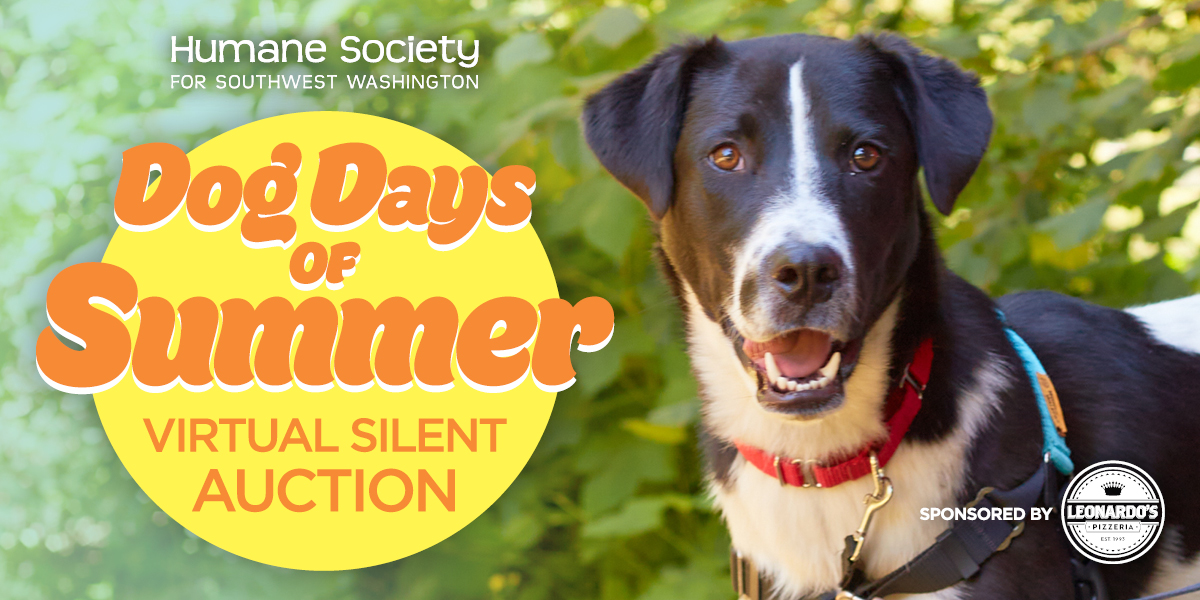
Summer is heating up, and so is our biggest fundraiser of the season. Save the date: our Dog Days of Summer Virtual Silent Auction opens Friday, July 24, and runs through Monday, August 3. It's all online, so no matter where your summer takes you, whether that's the coast, a road trip, or just your backyard, you can still bid from anywhere.
This year's lineup is one of our best yet, spanning local cuisine, travel, arts and culture, beauty and wellness, sports, and plenty of items for pampered pets. A few packages we're especially excited about:
An afternoon with Cesar the llama
A Hood River getaway at the Hood River Hotel
A behind-the-scenes tour of the Rothko Pavilion at Portland Art Museum
Whale watching in San Diego
Plus, there's plenty more where that came from, including an all-inclusive Mexico spa resort getaway and a stay at Sleeping Lady in Leavenworth. The full catalog will be up soon, so keep an eye on your inbox.
A huge thank you to Leonardo's Pizzeria, our 2026 Presenting Sponsor, for helping make this year's auction possible.
Every winning bid goes straight toward the animals in our care, funding everything from medical treatment to daily essentials for pets waiting for their forever homes. We'll be back in your inbox when bidding officially opens. For now, save the date and get ready to bid starting Friday, July 24.
Why Consistent Support Matters
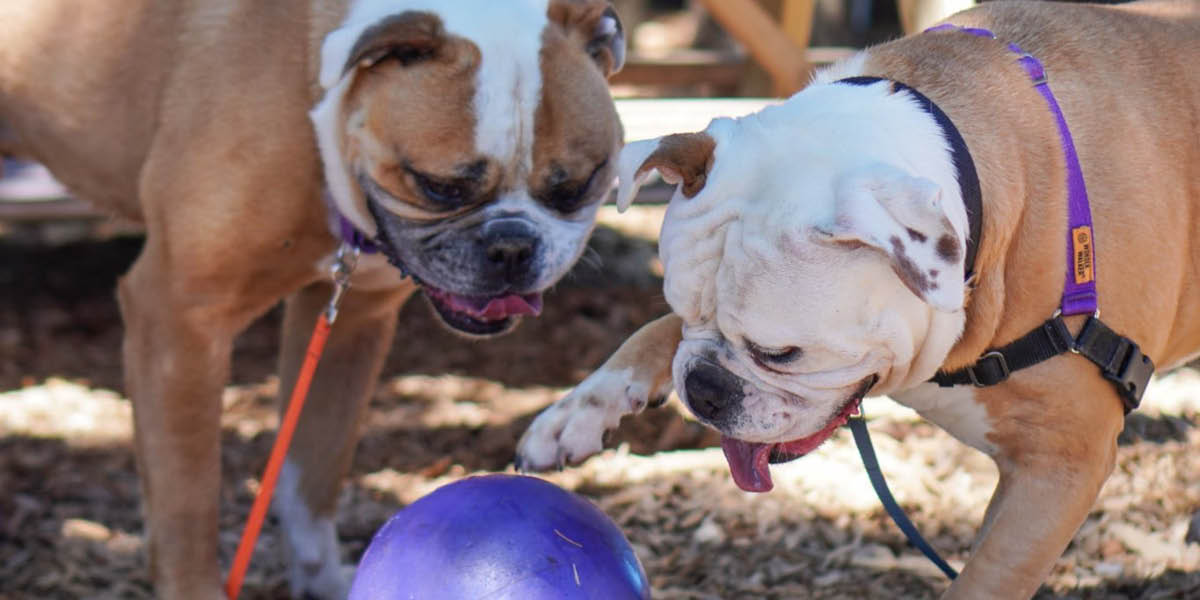
Summer is one of the busiest times of the year at the Humane Society for Southwest Washington. While every day looks a little different, one thing never changes: animals need compassionate care, and they need it without delay. That's why Best Friends Monthly Supporters are so important.
A monthly gift of $35 provides the consistent support that allows HSSW to respond immediately when animals need us, and to keep caring for them until the right home comes along. That was true for two 80-pound bulldogs named Juno and Zorro, who arrived together after their owner made the difficult decision to surrender them. They needed adopters who would love them for exactly who they were.
Juno and Zorro's Story
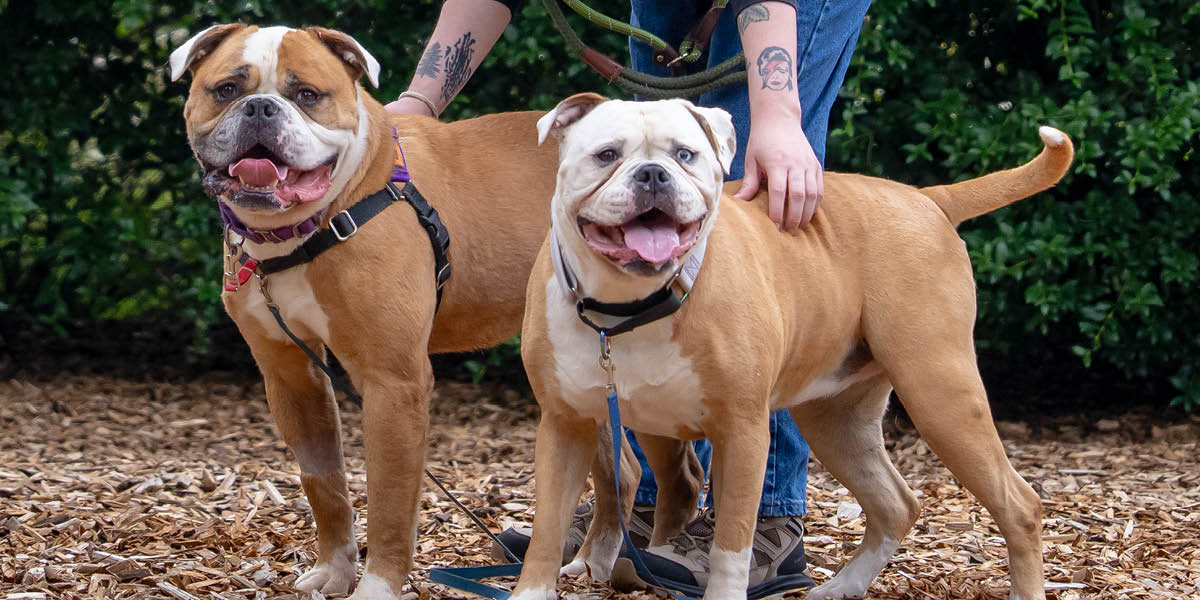
Juno and Zorro were sweet, playful dogs with boundless energy. Whether they were chasing a ball or enthusiastically splashing their whole faces into the water bowl, they approached everything with joy. Goofy personalities, slobbery kisses, and all, they needed adopters who would love them exactly as they were. Thanks to the time and individualized attention they received at HSSW, they found just the right families.
Stories like Juno and Zorro's are a reminder that every animal deserves the time, care, and attention to find the home that's right for them. That kind of care isn't guaranteed. It's made possible by consistent monthly support.
The Impact of Your Gift
Animals don't arrive on a schedule, and when help is needed, it's often needed immediately. Just this summer, we've taken in nearly 100 cats from a single property over the course of several weeks. Many needed immediate medical treatment for upper respiratory infections, flea infestations, and other health concerns, and many were frightened and unsure after everything they had experienced. Because of consistent support from our Best Friends Monthly Supporters, our veterinary and behavior teams were ready to go to work right away, providing the medical treatment, nutritious food, behavioral support, and compassionate care each cat needed to begin healing.
Emergencies like this are impossible to predict, but one thing never changes: animals need help the moment they arrive, whether that's one pet or dozens at once. This month, our goal is to welcome 26 new Best Friends Monthly Supporters to strengthen the consistent care that allows HSSW to be ready for every animal, every day. We hope you'll consider becoming one of them.
Your monthly gift of $35 helps provide food, shelter, medical care, and the individualized attention animals like Juno and Zorro need while they wait for the right family.


